

“You were born to create. Let it flow.”
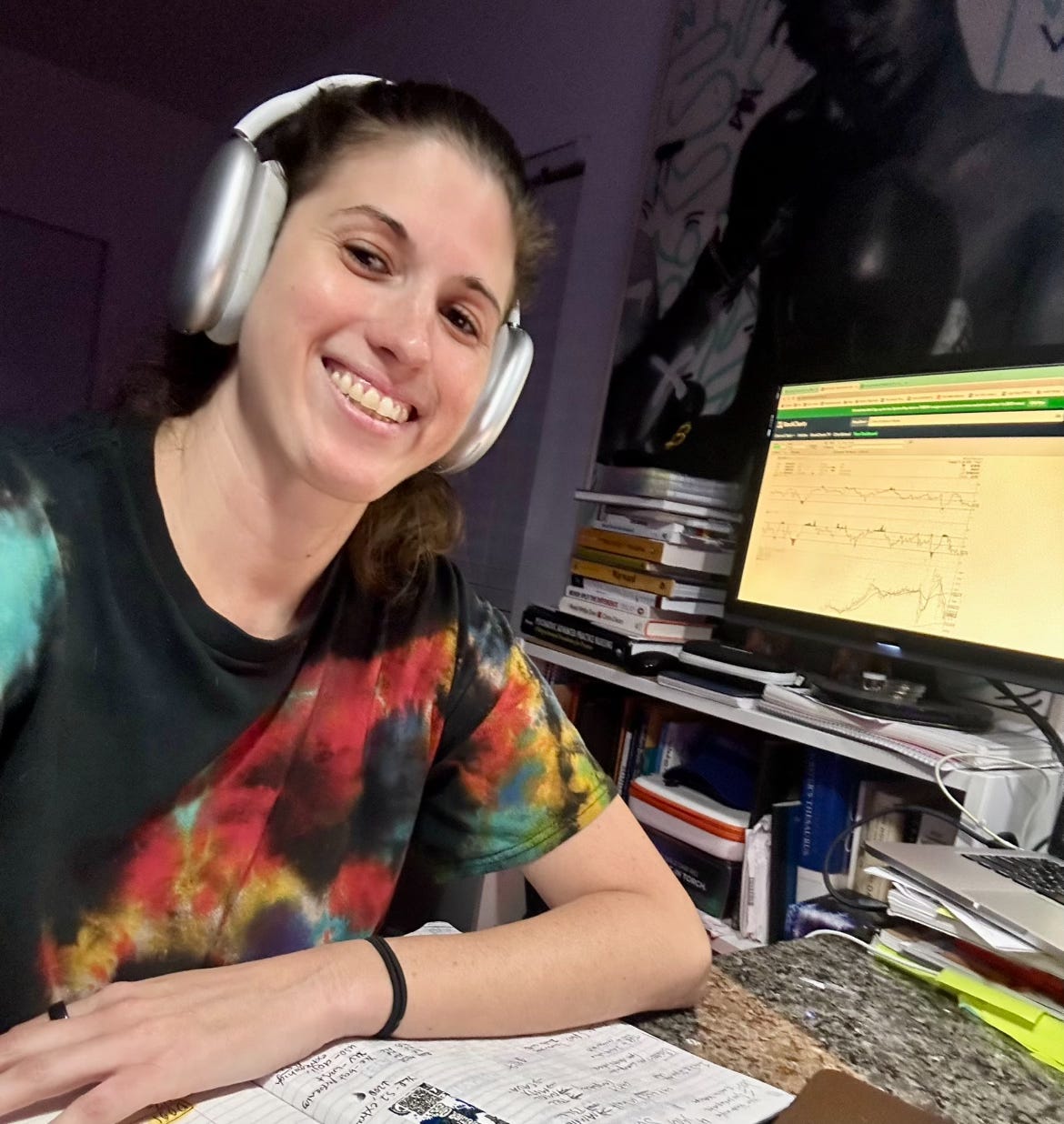
🧘♀️A Note from Me
Hi, I’m Jessica.
I write NP Fellow—a weekly mental health and functional medicine newsletter for people who want real, honest, and science-backed support.
I’m a nurse practitioner, professional writer, and stock trader who writes like the friend you’d call at 2am—someone who actually gets it.
I started NP Fellow to create the kind of trustworthy space I wish existed when I was struggling: no fluff, no fear-based health advice, just grounded tools and insight, practical wisdom, and real talk backed by neuroscience and lived experience.
If you’re here to grow, to heal, and to build a life you can trust—welcome!
As the new year sets in, I want to talk about something important and life-changing.
My annual winter vibes playlist for 2026 is now out Spotify!!
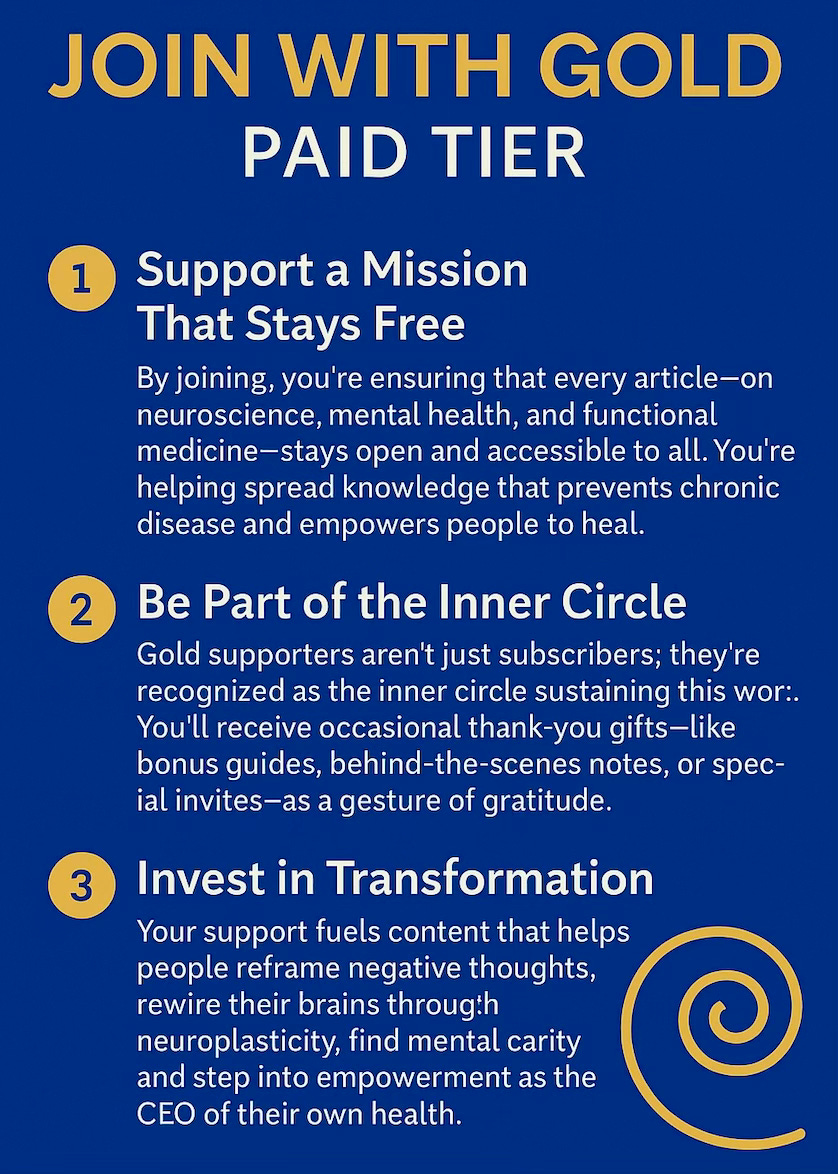
🌀 The NP Fellow Sunday articles will always be free and remain open and accessible to everyone.
For readers who want a deeper, more practical layer, I’ve created Weekly Skills—short, grounded practices designed to help you build self-trust, emotional steadiness, and nervous-system resilience week by week.
If you’d like to support the work and access the Weekly Skills, you can Join with Gold below!

What AI Can’t Feel & Why That Matters for Optimal Health
In healthcare, speed is often treated as a virtue.
Faster triage, faster diagnoses, and faster decisions.
However, human bodies don’t experience speed as efficiency. They experience it as pressure.
A rushed healthcare system may move quickly, but the nervous system doesn’t.
When decisions are made faster than the body can regulate, even the most accurate information can land as threat rather than care.
Before we talk about technology, we have to talk about the body receiving it.

The Nervous System Reality
Under stress, the human nervous system narrows perception.
Fear reduces cognitive flexibility.
Pressure limits nuance.
Overwhelm constricts choice.
This isn’t a personal failing. It’s physiology.
A calm nervous system allows for clarity, integration, and judgment.
A dysregulated one prioritizes survival.
In healthcare settings, where fear, pain, uncertainty, and vulnerability are already present, this matters more than we like to admit.
Technically correct decisions can still cause harm if they arrive in a body that doesn’t feel safe enough to receive them.

Where AI Enters The Room
Artificial intelligence (AI) is already present in healthcare in quiet, ordinary ways.
Risk scores.
Triage tools.
Predictive labels.
Optimization systems designed to move patients efficiently through care.
These tools aren’t villains. They’re accelerants.
AI doesn’t create pressure in healthcare—it amplifies whatever pace already exists. When speed is the default, AI increases speed. When systems prioritize efficiency over regulation, AI sharpens that edge.
What it doesn’t do is slow the room down.

A Clinical Truth
A patient is labeled “low risk.”
Their symptoms are subtle.
Their vitals are stable.
Their data fits the model.
However, something in their body—hesitation, tone, or, a quiet insistence—doesn’t fit the model or match the criteria.
There’s no drama here and no heroic rescue.
Just a familiar truth: sometimes the body knows before the data catches up.
When healthcare systems move too quickly, those moments are easy to miss.
What AI Can’t Do
AI can’t feel hesitation.
It can’t sense when someone is regulated versus shut down.
It can’t hear tone beneath words.
It can’t decide when to pause.
Furthermore, it can’t recognize when a human needs time to pause—not more information.
Healing often begins in the pause and pauses don’t optimize well in systems built for speed like rushing healthcare systems.

A Mirror for The Reader
You don’t need to be a clinician to feel this.
You’ve felt it in:
patient portals.
automated messages.
notifications that say “nothing urgent” while your body feels anything, but calm.
When care is delivered without space, the nervous system stays activated—even when the information is accurate.
This isn’t about mistrusting technology. It’s about understanding how bodies receive it.
The Reframe
The ethical question isn’t whether AI is accurate.
It’s whether our systems still leave room for human judgment, relational care, and nervous-system safety.
Accuracy without attunement is incomplete care.
The goal isn’t to eliminate technology.
The goal is to ensure that speed is adjustable, not default—and that human presence remains central when bodies are under stress.
Friction isn’t always failure. Sometimes, friction is care.
Final Thoughts: What This Means for The Future of Health
As technology continues to evolve, a few principles matter:
AI should support judgment, not replace it.
Efficiency should never outrun regulation.
Systems should be designed with the body in mind, not just the data.
Healthcare happens in nervous systems, not spreadsheets.
Technology will continue to advance.
Bodies will continue to tell the truth.
Our work—now and going forward—is to design healthcare systems that listen.
Until next Sunday,
—Jessica
Your 2am friend who actually gets it
“We feel so safe with the ones we love that we often share with them our tension, our stress, our fear, our sadness, and even our anger, but let us remember to also give them the best version of ourselves, our joy and happiness, our excitement and peace, and our attention and care.” —Yung Pueblo
🪩 If this article resonated with you, consider Joining The Paid Gold Tier of the NP Fellow Community.
It’s where we go beyond inspiration and into integration—with practical tools, evidence-based insights, the complete NP Fellow healing library, exclusive digital products, deeper conversations, and private reflections shared with the Join with Gold community to support you while you take extreme ownership, keep you grounded in your personal development and devoted to disciplined self-mastery, growth, and healing.
Because healing isn’t just about what happened—It’s about what happens next.
If you’re ready to go deeper into who you’re becoming, upgrade to the paid subscription here.
Your future self will thank you.
🚨My new podcast NP Fellow Collective is now live on Spotify!
Fresh Playlists Created by Yours Truly on Spotify🔊
My annual winter vibes playlist for 2026 is now out Spotify!!
Recent Articles👩⚕️✍️

Why Spaciousness Changes Everything

“Always do your best to be a better person than you were yesterday.”
The #1 Skill You Need in 2026

“I wear every single chain, even when I’m in the house, ‘cause we started from the bottom now we’re here.”
Looking for Quick, Mindful Workouts to Elevate Your Fitness Routine? 👇⏰💪
Check out my ebook, A Pocket Book of Express Mindful Workouts, designed to help you seamlessly integrate daily movement into your modern life.
This ebook features 20 express, mindful workouts, each just 17 minutes long, making it easy to stay active wherever you are—whether at home, in a hotel, or even outdoors.
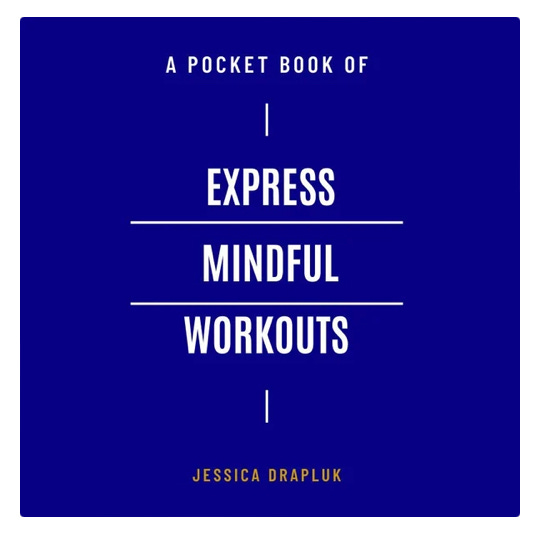
An Express Mindful Workout combines physical movement with mindfulness, focusing on maintaining proper form and controlled breathing.
These quick routines will test your mental toughness, improve cardiovascularfitness, and build muscle strength, all while helping you develop a consistent daily workout practice.
Best of all, you can download the ebook instantly and carry it with you wherever you go.
So, no matter how busy your schedule, you’ll always have time to get moving!!
MEDICAL DISCLAIMER
This content is for informational and educational purposes only. It is not intended to provide medical advice or to take the place of such advice or treatment from a personal physician. All readers/viewers of this content are advised to consult their doctors or qualified health professionals regarding specific health questions. All viewers of this content, especially those taking prescription or over-the-counter medications, should consult their physicians before beginning any nutrition, supplement or lifestyle program.
Thanks Jessica. I’m not used to reading medical articles but this is an opening for minds and necessary to know
Pretty good 👍🏻 👌🏻