

“A fresh start begins with forgiveness and trust is greatly deepened when changed behavior becomes consistent.”
🤲A Note from Me
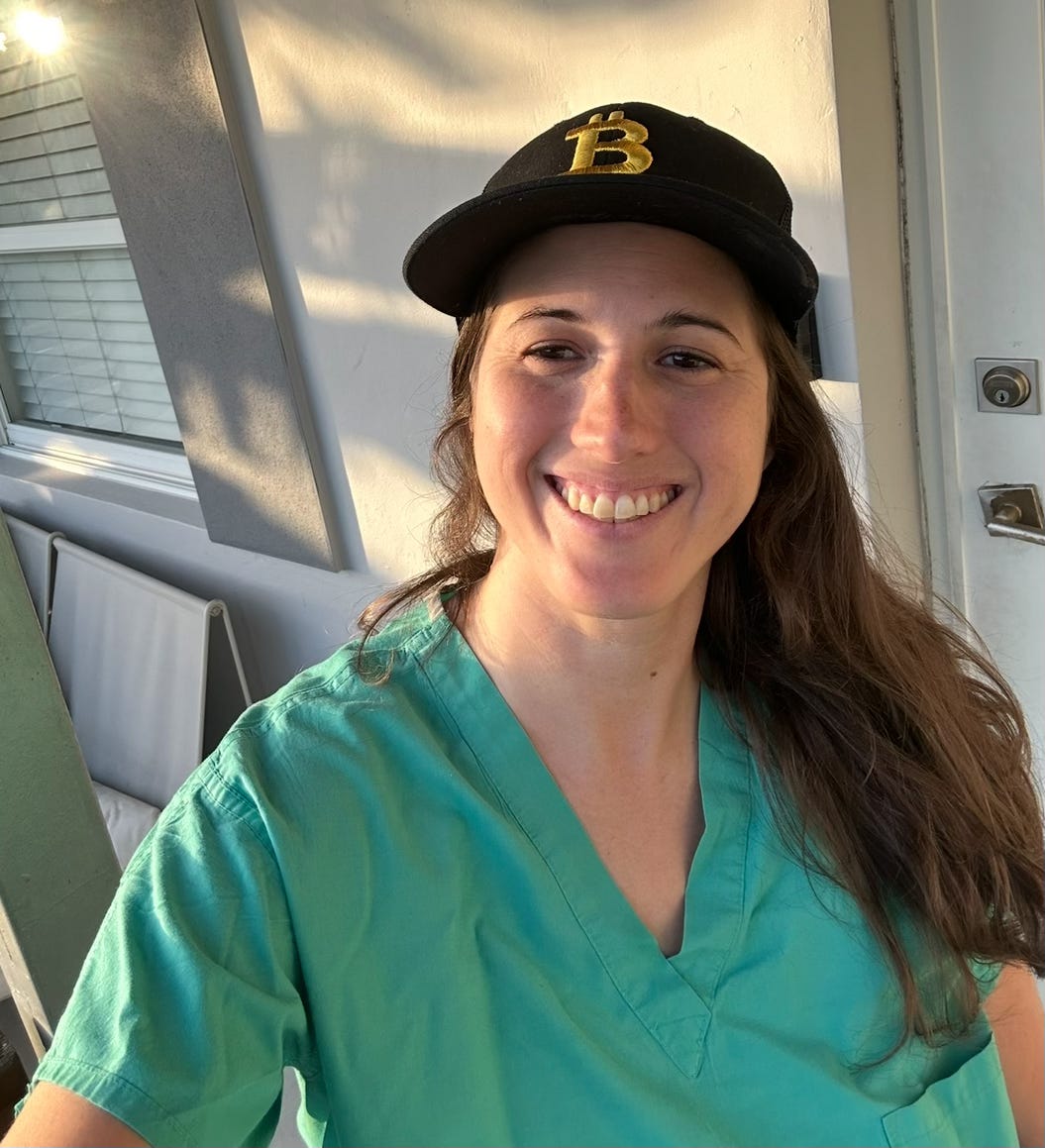
Hi, I’m Jessica.
I write NP Fellow—a weekly mental health and functional medicine newsletter for people who want real, honest, and science-backed support.
I’m a nurse practitioner, professional writer, and stock trader who writes like the friend you’d call at 2am—someone who actually gets it.
I started NP Fellow to create the kind of trustworthy space I wish existed when I was struggling: no fluff, no fear-based health advice, just grounded tools and insight, practical wisdom, and real talk backed by neuroscience and lived experience.
If you’re here to grow, to heal, and to build a life you can trust—welcome!
As the new year sets in, I want to talk about something pretty important and eye-opening.
My annual winter vibes playlist for 2026 is now out Spotify!!
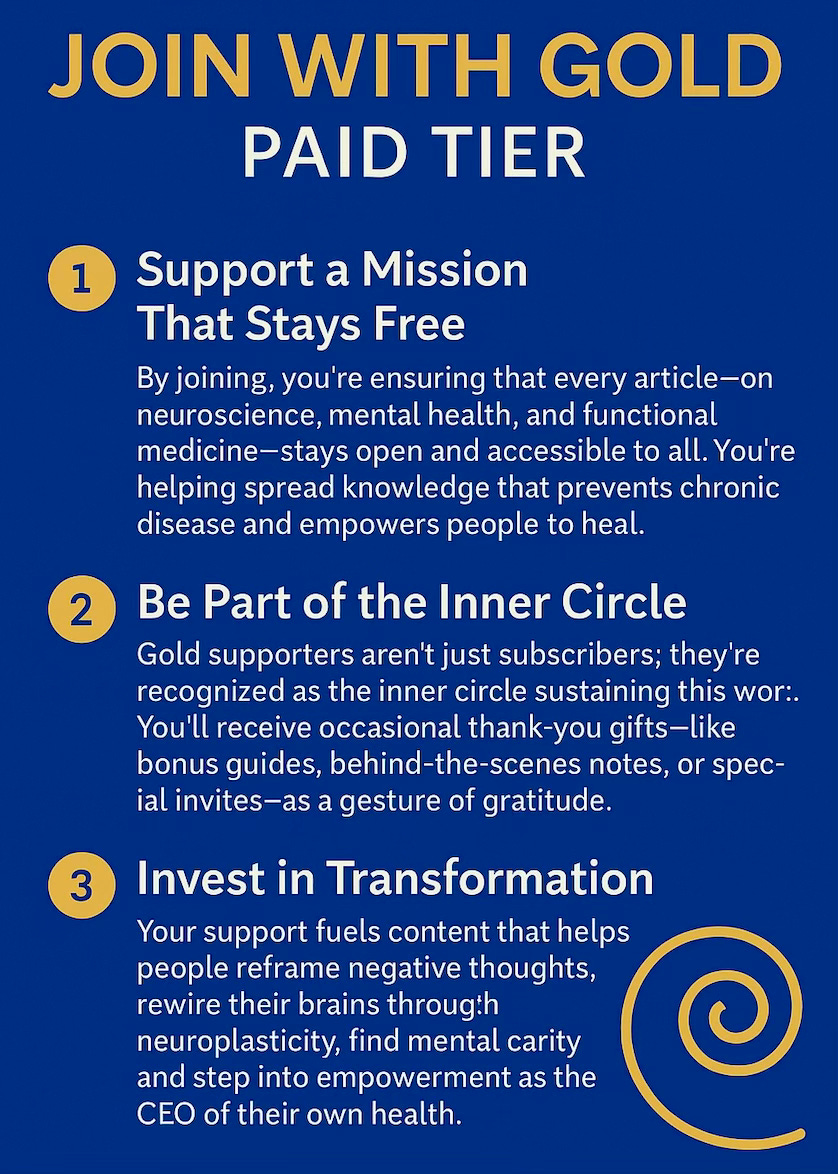
🌀 The NP Fellow Sunday articles will always be free and remain open and accessible to everyone.
For readers who want a deeper, more practical layer, I’ve created Weekly Skills—short, grounded practices designed to help you build self-trust, emotional steadiness, and nervous-system resilience week by week.
If you’d like to support the work and access the Weekly Skills, you can Join with Gold below!

Why We Weren’t Meant To Regulate Alone
We’re often told that emotional strength looks like self-control.
That if we could just regulate better, stay calmer, or handle things more maturely, we wouldn’t feel so overwhelmed.
We internalize the idea that steadiness is something we should be able to produce on our own—quietly, efficiently, without needing anyone else.
However, the nervous system doesn’t actually work that way.
Long before we learn how to regulate ourselves, we learn how to be regulated with.

Regulation Begins in Relationship
Co-regulation is the process by which one nervous system helps another settle.
It happens in small, often invisible ways:
a calming tone that slows your breath, gentle touch, and shared silence.
someone staying present with you when things feel heavy.
simply not being left alone in the moment.
This isn’t dramatic and it doesn’t require advice or fixing.
It’s quiet presence—steady enough for the body to feel safe again.
We don’t calm down because someone tells us to. We calm down because someone stays.

The Myth of Doing It All Yourself
Many people struggle with emotional regulation not because they’re incapable, but because they’ve been trying to do something alone that was never meant to be learned in isolation.
When regulation is framed as a personal failure —”Why can’t I just calm myself down?”—shame creeps in.
However, overwhelm isn’t a character flaw. It’s often a sign that the nervous system is overloaded without enough relational support.
We are wired to settle in connection.
Before regulation becomes internal, it’s relational.

What Neuroscience Tells Us About Co-Regulation
From a neuroscience perspective, co-regulation isn’t optional—it’s foundational.
The nervous system is constantly scanning for cues of safety and threat.
Tone of voice
Facial expression
Posture
Pace
These signals are processed far faster than conscious thought.
When another person remains calm and attuned, the brain registers safety and begins to shift out of survival mode.
This is mediated through structures like the vagus nerve, which helps regulate heart rate, breathing, and emotional state.
When we’re with someone who is steady and present, our nervous system can “borrow” that regulation until it remembers how to access it on its own.
This is why a calm presence can lower heart rate.
Why shared breath can slow panic.
Why being seen changes how fear moves through the body.
The brain doesn’t learn safety through logic. It learns safety through experience.
Holding Feelings Together
One of the most misunderstood truths about emotional life is this:
We can hold the biggest feelings together.
Co-regulation doesn’t mean someone takes your feelings away. It means you’re not carrying them in isolation.
When emotions are witnessed rather than managed, the nervous system doesn’t have to escalate to be heard.
Feeling met changes the body.
Feeling unseen keeps it on high alert.
Sometimes the most regulating thing someone can do is remain steady while you’re not.

Borrowing Calm Isn’t Weakness
There’s a quiet cultural belief that needing others means you’re behind—that borrowing calm is a sign of dependency or fragility.
However, biologically borrowing calm is how we learn to carry it.
Over time, those experiences become internalized. The steadiness you once found outside yourself becomes accessible within.
Co-regulation teaches self-regulation not by force, but by repetition.
You don’t become calmer by trying harder. You become calmer by being met consistently.
What This Means for Everyday Life
Co-regulation isn’t limited to therapy rooms or childhood experiences.
It happens in everyday moments:
a friend who listens without interrupting.
a partner who stays when emotions rise.
a clinician who slows the pace.
a quiet presence that doesn’t rush you through distress.
These moments matter more than we realize.
They shape how the nervous system learns to respond to stress long after the interaction ends.
Final Thoughts: A Gentle Reframe
If you’ve struggled to regulate during overwhelm, it doesn’t mean you’re broken or incapable.
It may mean you’ve been asking your nervous system to do something alone that it was designed to learn through connection.
Before we can regulate ourselves, we often need to be regulated with.
Co-regulation isn’t about dependence. It’s about remembering how safety is felt.
Sometimes another person’s calm helps you find your own.
Sometimes being met is what allows the body to settle.
And sometimes the most healing thing is simply not being alone with what’s hard.
Thank you for reading this article.
Until next Sunday,
—Jessica
Your 2am friend who actually gets it
“Throw away the idea that you have to be fully healed to be in a loving relationship with a great partner. We normally come together with many unresolved issues because healing simply takes time. The couples who shine with harmony are the ones who commit to healing and growing together.” —Yung Pueblo
🪩 If this article resonated with you, consider Joining The Paid Gold Tier of the NP Fellow Community.
It’s where we go beyond inspiration and into integration—with practical tools, evidence-based insights, the complete NP Fellow healing library, exclusive digital products, deeper conversations, and private reflections shared with the Join with Gold community to support you while you take extreme ownership, keep you grounded in your personal development and devoted to disciplined self-mastery, growth, and healing.
Because healing isn’t just about what happened—It’s about what happens next.
If you’re ready to go deeper into who you’re becoming, upgrade to the paid subscription here.
Your future self will thank you.
🚨My new podcast NP Fellow Collective is now live on Spotify!
Fresh Playlists Created by Yours Truly on Spotify🔊
My annual winter vibes playlist for 2026 is now out Spotify!!
Recent Articles👩⚕️✍️


Looking for Quick, Mindful Workouts to Elevate Your Fitness Routine? 👇⏰💪
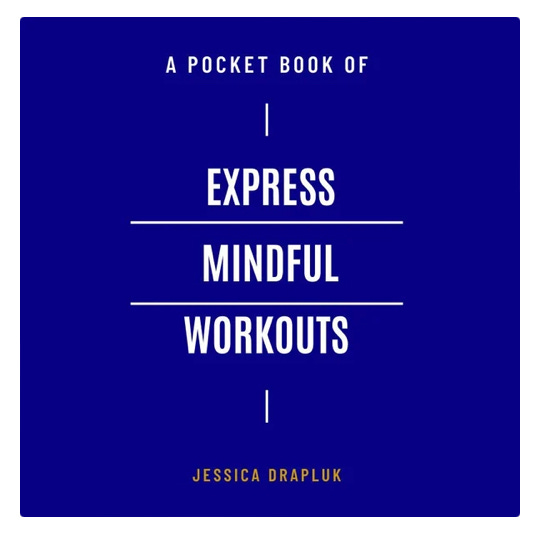
Check out my ebook, A Pocket Book of Express Mindful Workouts, designed to help you seamlessly integrate daily movement into your modern life.
This ebook features 20 express, mindful workouts, each just 17 minutes long, making it easy to stay active wherever you are—whether at home, in a hotel, or even outdoors.
An Express Mindful Workout combines physical movement with mindfulness, focusing on maintaining proper form and controlled breathing.
These quick routines will test your mental toughness, improve cardiovascularfitness, and build muscle strength, all while helping you develop a consistent daily workout practice.
Best of all, you can download the ebook instantly and carry it with you wherever you go.
So, no matter how busy your schedule, you’ll always have time to get moving!!
MEDICAL DISCLAIMER
This content is for informational and educational purposes only. It is not intended to provide medical advice or to take the place of such advice or treatment from a personal physician. All readers/viewers of this content are advised to consult their doctors or qualified health professionals regarding specific health questions. All viewers of this content, especially those taking prescription or over-the-counter medications, should consult their physicians before beginning any nutrition, supplement or lifestyle program.
another great piece!
Learning to be present and listen is a critical skill. My natural tendency is to offer solutions, but I have worked to be a better listener, and friend.
Love the post and the pictures are incredible.